 Bỏ qua nội dung
Kèo Nhà Cái - Tỷ Lệ Kèo Nhà Cái 5 Hôm Nay Chuẩn Nhất
Kèo nhà cái chính là “kim chỉ nam” quyết định trực tiếp đến sự thành bại của mỗi ván cược. Tuy nhiên, chỉ hiểu bề nổi những con số trên bảng điện tử là chưa đủ để cạnh tranh được với những nhà cái lão luyện. Với phân tích từ cơ bản đến nâng cao, chuyên trang digarti.com sẽ tái cấu trúc tư duy soi kèo của bạn, biến những dữ liệu khô khan thành lợi thế cạnh tranh sắc bén trên hành trình chinh phục mọi giải đấu.
Kèo nhà cái là gì?

Kèo nhà cái không đơn thuần là những con số ngẫu nhiên. Đó là kết quả của một quá trình phân tích dữ liệu khổng lồ, kết hợp kinh nghiệm của các chuyên gia phân tích hàng đầu.
Định nghĩa kèo nhà cái theo cách đơn giản nhất
Kèo nhà cái, hay còn gọi là Odds, là chỉ số do các tổ chức cá cược niêm yết công khai, phản ánh xác suất xảy ra của các sự kiện trong trận đấu bóng đá. Thay vì sử dụng phần trăm (%) thuần túy, các nhà cái chuyển đổi chúng thành các con số như 1.85, 0.95 hoặc -0.98 để người chơi dễ dàng tính toán lợi nhuận.
Khác với các loại hình xổ số hay trò chơi may rủi thuần túy, kèo nhà cái dựa trên các thông số kỹ thuật thực tế như phong độ đội bóng, đội hình ra sân và các biến số ngoại cảnh. Điều này tạo ra một thị trường giao dịch nơi kiến thức chuyên môn của người chơi có thể trực tiếp tác động đến kết quả thắng thua, thay vì chỉ dựa vào vận may.
Tầm quan trọng của tỷ lệ kèo đối với cược thủ
Đối với một nhà đầu tư thể thao, tỷ lệ kèo chính là bảng điều khiển hiển thị toàn bộ biến động sức mạnh giữa hai đối thủ. Việc đọc hiểu các chỉ số này giúp cược thủ xác định được giá trị kỳ vọng của một vé cược, từ đó đưa ra quyết định đặt tiền một cách lý trí.
Tỷ lệ kèo không chỉ cho biết bạn sẽ thắng được bao nhiêu, mà còn là công cụ để nhận diện các “bẫy” từ thị trường khi Odds không phản ánh đúng thực lực. Nếu không có khả năng phân tích tỷ lệ kèo, người chơi sẽ rơi vào trạng thái “đánh mù”, dẫn đến việc phân bổ nguồn vốn thiếu khoa học và dễ dàng bị nhà cái bào mòn vốn bởi các mức phí ẩn.
Cách các nhà cái xây dựng và thiết lập tỷ lệ kèo
Quy trình hình thành một bảng kèo là sự kết hợp phức tạp giữa Big Data và trí tuệ nhân tạo. Các đội ngũ chuyên gia định giá sử dụng mô hình toán học Poisson để tính toán xác suất ghi bàn của mỗi đội dựa trên dữ liệu lịch sử.
Sau khi có được tỷ lệ gốc, nhà cái sẽ tích hợp thêm một biên lợi nhuận gọi là Vigorish (hoặc Margin) để đảm bảo dù kết quả nào xảy ra, họ vẫn thu được một khoản phí dịch vụ. Các yếu tố như thông tin chấn thương giờ chót, điều kiện thời tiết và dòng tiền từ thị trường (Market Flow) sẽ liên tục được AI quét qua để điều chỉnh Odds theo thời gian thực, tạo nên một hệ thống bảng kèo luôn biến động và phản ánh chính xác trạng thái thị trường.
Hướng dẫn đọc và hiểu các loại kèo nhà cái phổ biến nhất

Mỗi giải đấu và trận đấu sẽ có những đặc thù riêng, đòi hỏi người chơi phải linh hoạt trong việc lựa chọn loại hình kèo để tối ưu hóa tỷ lệ thắng lợi.
Kèo châu Á (Asian Handicap / Kèo chấp)
Kèo châu Á, hay Asian Handicap, là loại hình cá cược mang tính kỹ thuật cao nhất, được thiết kế để loại bỏ khả năng xảy ra kết quả Hòa trong cá cược. Nhà cái sẽ đưa ra một mức chấp (Handicap) để cân bằng thực lực giữa đội cửa trên và đội cửa dưới.
Kèo đồng banh (0/0)
Kèo đồng banh xuất hiện khi hệ thống đánh giá hai đội có sức mạnh tương đương hoặc đội mạnh hơn đang gặp bất lợi về sân bãi hoặc lực lượng. Ở mức kèo này, không có đội nào chấp đội nào. Người chơi đặt cược vào đội giành chiến thắng sẽ ăn đủ tiền theo Odds. Trong trường hợp trận đấu kết thúc với tỷ số hòa, toàn bộ tiền cược sẽ được nhà cái hoàn trả (Push) vào tài khoản của người chơi.
Ví dụ minh họa: Trận Manchester United (sân nhà, Odds 2.00) vs. Liverpool (sân khách, Odds 1.85), kèo đồng banh (0).
- Đặt 100.000 VNĐ vào Manchester United, họ thắng 1-0 → Nhận về 200.000 VNĐ (bao gồm 100.000 VNĐ vốn gốc, lợi nhuận thực 100.000 VNĐ).
- Trận kết thúc hòa 0-0 hoặc 1-1 → Được hoàn lại 100.000 VNĐ.
- Liverpool thắng 0-1 → Mất 100.000 VNĐ.
Kèo chấp nửa trái (0 – 0.5)
Còn được ký hiệu là 1/4 hoặc 0.25, mức chấp này tạo ra sự phân định thắng thua rõ rệt hơn. Nếu đặt đội cửa trên và đội đó thắng, bạn thắng đủ tiền. Tuy nhiên, nếu trận đấu hòa, người đặt đội cửa trên sẽ mất nửa số tiền cược, trong khi người đặt đội cửa dưới sẽ thắng nửa tiền.
Ví dụ minh họa: Trận Chelsea (sân nhà, chấp 0.25, Odds 1.90) vs. West Ham United (sân khách).
- Chelsea thắng 1-0 → Thắng đủ tiền: nhận về 190.000 VNĐ.
- Trận hòa 0-0 → Mất nửa tiền cược: mất 50.000 VNĐ.
- West Ham thắng 0-1 → Mất toàn bộ 100.000 VNĐ.
Kèo chấp nửa một (0.5 – 1)
Mức chấp 0.75 (3/4 trái) phản ánh sự chênh lệch đáng kể về trình độ giữa hai đội. Để thắng đủ tiền khi đặt cửa trên, đội bóng đó phải thắng với cách biệt từ 2 bàn trở lên. Nếu đội cửa trên chỉ thắng tối thiểu 1 bàn, người chơi chỉ nhận được một nửa lợi nhuận. Ngược lại, đội cửa dưới chỉ cần cầm hòa là thắng đủ tiền.
Ví dụ minh họa: Trận Bayern Munich (sân nhà, chấp 0.75, Odds 1.95) vs. Borussia Dortmund.
- Bayern thắng 2-0 → Thắng đủ tiền: nhận về 195.000 VNĐ.
- Bayern thắng 1-0 → Thắng nửa tiền: ăn thêm 97.500 VNĐ lợi nhuận (100.000 × 1.95 / 2).
- Dortmund hòa hoặc thắng → Mất toàn bộ 100.000 VNĐ.
Kèo chấp một trái (1) và chấp 1.25
Mức chấp 1 trái là ranh giới của sự an toàn: nếu đội cửa trên thắng cách biệt đúng 1 bàn thì hòa kèo (hoàn tiền). Khi mức chấp nâng lên 1.25, rủi ro cho cửa trên tăng cao: thắng 1 bàn vẫn mất nửa tiền cược. Để ăn trọn Odds ở mức 1.25, đội cửa trên bắt buộc phải thắng với cách biệt từ 2 bàn trở lên.
Ví dụ (kèo chấp 1 trái): Trận Real Madrid (sân nhà, chấp 1, Odds 1.80) vs. Getafe.
- Real Madrid thắng 2-0 → Thắng đủ tiền: nhận về 180.000 VNĐ.
- Real Madrid thắng 1-0 → Hòa kèo, hoàn lại 100.000 VNĐ.
- Getafe hòa hoặc thắng → Mất 100.000 VNĐ.
Ví dụ (kèo chấp 1.25): Trận Paris Saint-Germain (sân nhà, chấp 1.25, Odds 1.90) vs. Lille.
- PSG thắng 3-0 → Thắng đủ tiền: nhận về 190.000 VNĐ.
- PSG thắng 2-0 → Thắng nửa tiền: ăn thêm 95.000 VNĐ (100.000 × 1.90 / 2).
- PSG chỉ thắng 1-0 hoặc hòa/thua → Mất 100.000 VNĐ.
Kèo chấp 1.5 và 2 trái
Đây là mức chấp dành cho các trận đấu có sự chênh lệch đẳng cấp rất lớn, chẳng hạn đội đầu bảng gặp đội đang tranh trụ hạng.
Kèo chấp 1.5: Đội cửa trên phải thắng cách biệt ít nhất 2 bàn để người đặt cửa trên thắng tiền. Thắng đúng 1 bàn, hòa hoặc thua đều tính thua kèo.
Kèo chấp 2 trái: Đây là mức chấp cực kỳ cao. Đội cửa trên cần thắng ít nhất 3 bàn để thắng kèo. Thắng cách biệt đúng 2 bàn → hòa kèo (hoàn tiền). Thắng 1 bàn, hòa hoặc thua → mất cược.
Ví dụ (kèo chấp 1.5): Trận Man City (chấp 1.5, Odds 1.85) vs. Sheffield United.
- Man City thắng 2-0 hoặc 3-1 → Thắng đủ tiền: nhận về 185.000 VNĐ.
- Man City thắng 1-0 hoặc hòa → Mất 100.000 VNĐ.
Kèo châu Âu (1X2 – European Odds)

Kèo châu Âu là hình thức cá cược truyền thống và đơn giản nhất, tập trung vào kết quả cuối cùng của trận đấu mà không quan tâm đến tỷ số cách biệt. Ký hiệu 1X2 tương ứng với: 1 (Chủ nhà thắng), X (Hòa), và 2 (Khách thắng).
Ưu điểm của kèo 1X2 là người chơi không cần tính toán mức chấp phức tạp. Tuy nhiên, biên lợi nhuận của nhà cái ở kèo này thường cao hơn kèo châu Á. Đối với những trận đấu có sự chênh lệch đẳng cấp lớn, Odds cho cửa thắng của đội mạnh sẽ rất thấp, buộc người chơi phải kết hợp vào các kèo cược xiên để tăng lợi nhuận kỳ vọng.
Kèo tài xỉu (Over/Under)
Kèo Tài Xỉu (O/U) tập trung vào tổng số bàn thắng được ghi bởi cả hai đội trong thời gian thi đấu chính thức. Nhà cái đưa ra một mốc dự đoán (Line), người chơi chọn cửa Tài (Over – vượt mốc) hoặc Xỉu (Under – dưới mốc).
- Mức 2.5 trái: Chuẩn mực phổ biến nhất trong bóng đá hiện đại. Trận đấu có từ 3 bàn trở lên là Tài.
- Tài xỉu hiệp 1: Người chơi có thể khai thác các đội bóng có lối chơi phủ đầu để đánh Tài hiệp 1, thường ở mức 0.75 hoặc 1 trái. Ví dụ, Man City hay Liverpool thường ghi bàn sớm trên sân nhà, tạo cơ hội tốt cho cửa Tài hiệp 1.
- Mẹo nhận biết: Khi một trận đấu có tính chất căng thẳng như Derby địa phương hoặc trận trụ hạng, mức Tài Xỉu thường bị kéo xuống thấp (dưới 2.25) – dấu hiệu của một trận đấu thiên về chiến thuật phòng thủ.
Kèo tỷ số chính xác (Correct Score)
Đây là loại kèo có tỷ lệ trả thưởng cao nhất trong bảng kèo nhà cái, đôi khi lên tới 1 ăn 100. Tuy nhiên, xác suất để dự đoán đúng tỷ số chính xác là cực kỳ thấp vì phụ thuộc vào nhiều biến số ngẫu nhiên. Loại kèo này chủ yếu mang tính giải trí và không phù hợp cho chiến lược đầu tư dài hạn.
Kèo phạt góc (Corner Bet)

Kèo phạt góc đang trở thành thị trường tiềm năng cho các cược thủ chuyên về thống kê. Bạn có thể cược chấp góc hoặc Tài Xỉu góc. Những đội bóng có lối chơi bám biên và thực hiện nhiều quả tạt như Man City hay Real Madrid luôn là lựa chọn ưu tiên cho cửa Tài góc. Trước mỗi trận, việc kiểm tra số lần hưởng phạt góc trung bình của mỗi đội là bước bắt buộc để đánh giá loại kèo phụ này một cách chính xác.
Kèo thẻ phạt (Card Bet)
Kèo thẻ phạt không dựa trên chuyên môn bóng đá mà phụ thuộc vào tính chất đối kháng của trận đấu và phong cách cầm còi của trọng tài chính. Tại các giải đấu có lối chơi va chạm mạnh như La Liga, tỷ lệ thẻ vàng thường rất cao. Khi soi kèo thẻ, người chơi cần đặc biệt chú ý đến lịch sử cầm còi của trọng tài và lịch sử đối đầu giữa hai đội có thường xuyên xảy ra xô xát hay không.
Kèo rung / Kèo live (Live Odds)
Kèo rung là loại kèo được đặt khi trận đấu đang diễn ra. Tỷ lệ Odds và mức chấp biến động liên tục theo từng giây. Kỹ năng quan trọng nhất khi chơi kèo rung là khả năng đọc diễn biến trận đấu và tốc độ vào lệnh để tránh bị “nhảy Odds” hoặc bị nhà cái từ chối vé cược do có tình huống nguy hiểm (Danger Zone). Kèo rung mang lại cơ hội gỡ gạc hoặc tối ưu hóa lợi nhuận cực nhanh cho những ai nắm bắt được nhịp độ trận đấu.
Các loại kèo phụ mở rộng khác
Ngoài các kèo chính, nhà cái còn cung cấp hàng trăm lựa chọn khác như: kèo cầu thủ ghi bàn đầu tiên, kèo ném biên, kèo Penalty hay kèo đội dẫn bàn trước. Mặc dù các loại kèo này có tính may rủi cao hơn, nhưng nếu người chơi nắm được các thống kê dị biệt, đây vẫn là những kênh tạo ra lợi nhuận đột biến.
Ký hiệu và thuật ngữ trong bảng kèo nhà cái cần nắm vững

Việc nhầm lẫn các ký hiệu trên bảng điện tử là sai lầm cơ bản nhưng gây hậu quả nghiêm trọng về tài chính.
Ký hiệu tiền ăn (Odds) – cách quy đổi sang tiền thực tế
Mỗi nhà cái hiển thị Odds theo định dạng khác nhau. Dưới đây là 3 định dạng phổ biến nhất tại thị trường châu Á:
Odds Decimal (Thập phân): Ví dụ 1.95.
Tiền nhận về = Tiền cược × 1.95 (đã bao gồm vốn gốc).
Ví dụ: Đặt 100.000 VNĐ, thắng → nhận về 195.000 VNĐ (lợi nhuận thực 95.000 VNĐ).
Odds Malay: Định dạng phổ biến tại Đông Nam Á, hiển thị cả số dương và số âm:
Số dương (ví dụ +0.85): Đây thường là cửa yếu hơn. Thắng → nhận thêm 0.85× tiền cược làm lợi nhuận (đặt 100.000 VNĐ, thắng → nhận thêm 85.000 VNĐ, tổng về tay 185.000 VNĐ). Thua → mất toàn bộ 100.000 VNĐ.
Số âm (ví dụ -0.85): Đây thường là cửa mạnh hơn. Thắng → nhận thêm toàn bộ tiền cược làm lợi nhuận (đặt 100.000 VNĐ, thắng → nhận thêm 100.000 VNĐ, tổng về tay 200.000 VNĐ). Thua → chỉ mất 85.000 VNĐ (tức 0.85× tiền cược).
Odds Indo/US: Thường dùng cho thị trường Mỹ, tính toán dựa trên đơn vị 100 đô la. Việc quy đổi chính xác giúp bạn biết thực tế mình đang đặt bao nhiêu cho mỗi đơn vị lợi nhuận.
Ký hiệu thời gian và trạng thái trận đấu (HT, FT, Live…)
- HT (Half Time): Kết quả tính cho 45 phút hiệp 1.
- FT (Full Time): Kết quả tính cho toàn bộ 90 phút thi đấu chính thức (bao gồm bù giờ, không tính hiệp phụ).
- Live/Running: Trận đấu đang diễn ra, bảng kèo nhấp nháy liên tục khi có biến động về Odds hoặc tỷ số.
Hiểu rõ các ký hiệu này giúp bạn tránh đặt nhầm hiệp 1 sang toàn trận hoặc ngược lại – một sai lầm tốn kém mà nhiều cược thủ mới vẫn mắc phải.
Các ký hiệu màu sắc và mũi tên biến động tỷ lệ
Màu đỏ và màu xanh trên bảng kèo không phải để trang trí. Thông thường, màu đỏ biểu thị đội cửa trên (đội chấp). Mũi tên xanh hướng lên cho thấy tỷ lệ tiền ăn đang tăng (nhà cái đang khuyến khích đặt vào cửa đó), trong khi mũi tên đỏ hướng xuống cho thấy Odds đang giảm do dòng tiền đổ vào quá lớn. Quan sát các chỉ số này giúp người chơi nhận diện xu hướng của thị trường.
Giải nghĩa các cột trong bảng kèo
Một bảng kèo chuẩn chia thành các cột dọc: đội nhà nằm trên, đội khách nằm dưới. Cột ở giữa là tỷ lệ chấp (HDP) và cột bên phải là tỷ lệ ăn tiền (Odds). Khi một đội được viết tên màu đỏ, đó chính là đội chấp. Việc làm quen với bố cục này giúp bạn thao tác nhanh, đặc biệt trong các trận đấu Live nơi mỗi giây đều có giá trị.
Những yếu tố ảnh hưởng đến biến động tỷ lệ kèo bóng đá

Bảng kèo nhà cái không phải là một thực thể tĩnh; đó là một hệ sinh thái biến động liên tục dựa trên các luồng thông tin đổ về từ khắp nơi trên thế giới.
Tình trạng lực lượng & chấn thương cầu thủ
Danh sách ra sân là một trong những yếu tố quan trọng nhất ảnh hưởng đến biến động Odds. Khi một ngôi sao chủ chốt gặp chấn thương trong buổi tập hoặc bị treo giò do thẻ phạt, nhà cái sẽ lập tức điều chỉnh tỷ lệ chấp để phản ánh sự sụt giảm sức mạnh của đội bóng đó.
Phong độ gần đây của hai đội
Phong độ là thước đo độ ổn định của một đội bóng. Các nhà cái thường sử dụng thuật toán để phân tích hiệu suất của hai đội trong chuỗi 5–10 trận gần nhất. Tuy nhiên, một cược thủ chuyên nghiệp sẽ nhìn sâu hơn vào các chỉ số nâng cao như Expected Goals (xG) – chỉ số đo lường chất lượng cơ hội ghi bàn dựa trên vị trí sút, góc độ và áp lực phòng thủ, phản ánh chính xác đội bóng nào đang thực sự chơi tốt hơn bất kể kết quả cuối trận – thay vì chỉ nhìn vào kết quả thắng/thua thuần túy.
Yếu tố sân nhà và sân khách
Yếu tố sân nhà luôn được các chuyên gia cộng thêm một trọng số nhất định vào bảng tỷ lệ. Trung bình, đội chủ nhà sẽ được hưởng lợi thế tương đương với mức chấp từ 0.25 đến 0.5 trái. Sự ủng hộ của khán giả, sự quen thuộc với mặt sân và việc không phải di chuyển xa giúp các cầu thủ duy trì thể lực tốt hơn.
Tâm lý và áp lực thành tích
Động lực thi đấu thường bị cược thủ nghiệp dư bỏ qua nhưng lại là yếu tố quyết định kết quả ở giai đoạn cuối mùa giải. Những trận đấu “sinh tử” để trụ hạng hoặc tranh vé dự Champions League luôn tiềm ẩn những kết quả bất ngờ mà Odds không hoàn toàn phản ánh được.
Điều kiện thời tiết và mặt sân thi đấu

Thời tiết là biến số ngoại cảnh có tác động trực tiếp đến kèo Tài Xỉu. Những trận đấu diễn ra dưới mưa lớn hoặc tuyết rơi dày thường khiến bóng lăn chậm, cản trở khả năng phối hợp và dứt điểm, dẫn đến xu hướng nghiêng về cửa Xỉu nhiều hơn.
Dòng tiền cá cược từ thị trường
Đây là yếu tố mang tính kỹ thuật nhất trong soi kèo. Khi một lượng tiền lớn từ các tay chơi tầm cỡ đổ vào một cửa, nhà cái buộc phải giảm tiền ăn của cửa đó để giảm thiểu rủi ro thua lỗ. Quan sát hướng dịch chuyển của dòng tiền là kỹ năng phân biệt giữa cược thủ chuyên nghiệp và người chơi nghiệp dư.
Thay đổi đột ngột về ban huấn luyện hoặc nội bộ đội bóng
Sự thay đổi trên băng ghế chỉ đạo thường mang lại hiệu ứng “đổi vận” tâm lý. Một huấn luyện viên mới với sơ đồ chiến thuật mới có thể làm thay đổi hoàn toàn cách tiếp cận trận đấu của đội bóng. Nhà cái thường rất thận trọng khi ra kèo cho những trận đầu tiên của một tân HLV vì thiếu dữ liệu thống kê.
Cách đọc bảng kèo nhà cái chuẩn theo phong cách chuyên gia
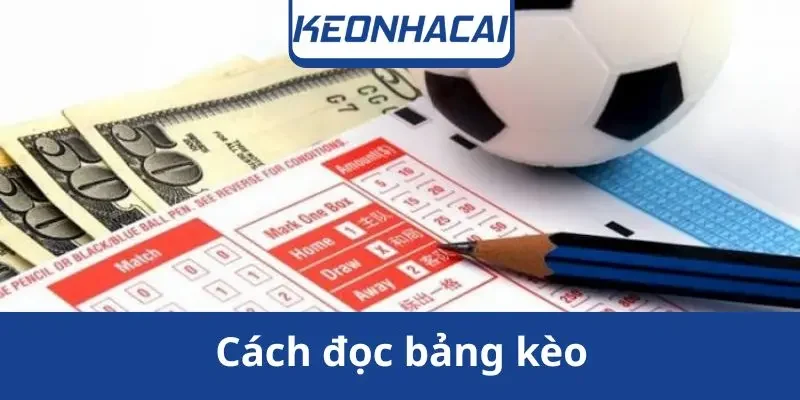
Quy trình soi kèo chuyên nghiệp không bắt đầu khi trận đấu diễn ra, mà là một chiến dịch kéo dài từ nhiều ngày trước đó.
Bước 1: Giai đoạn Opening Odds và ý nghĩa của tỷ lệ gốc
Khoảng 24–48 giờ trước khi bóng lăn, nhà cái sẽ tung ra mức kèo mở cửa. Đây là tỷ lệ thuần túy nhất, phản ánh đánh giá chuyên môn của các chuyên gia định giá mà chưa bị nhiễu bởi dòng tiền thị trường. Việc ghi nhớ hoặc chụp lại mức kèo này vô cùng quan trọng – nó đóng vai trò là “mốc tham chiếu” để so sánh với những biến động sau này, từ đó nhận diện được nhà cái đang điều chỉnh kèo để dụ người chơi hay đang điều chỉnh theo thực lực thực sự.
Bước 2: Theo dõi biến động kèo trong khung 3–12 giờ trước giờ bóng lăn
Khoảng 3–12 giờ trước trận đấu là thời điểm thị trường hoạt động sôi nổi nhất. Đây là lúc các thông tin chính thức về đội hình được công bố. Nếu mức chấp dịch chuyển mạnh (ví dụ từ 0.5 lên 0.75) kèm theo tiền ăn giảm sâu, đó là tín hiệu cho thấy đội cửa trên đang nhận được sự tín nhiệm lớn từ các Sharp Bookmakers. Tuy nhiên, nếu mức kèo nhấp nháy liên tục mà không có lý do rõ ràng, hãy cẩn thận vì đó có thể là chiêu trò tạo tâm lý ảo của nhà cái.
Bước 3: Phân tích tiền ăn (Odds) và dòng tiền thị trường
Một kèo “thơm” không phải là kèo có tỷ lệ ăn cao, mà là kèo có xác suất thắng thực tế lớn hơn so với tỷ lệ mà nhà cái đưa ra. Chuyên gia thường nhìn vào sự cân bằng giữa Odds châu Á và châu Âu. Nếu kèo châu Âu cho cửa thắng của đội nhà giảm mạnh nhưng kèo châu Á vẫn giữ nguyên mức chấp thấp, đó là dấu hiệu của một sự bất thường mang tính lợi nhuận cao.
Bước 4: So sánh kèo giữa nhiều nhà cái cùng lúc
Tại sao cùng một trận đấu, nhà cái Saba lại ra kèo 0.5 trong khi BTi lại ra kèo 0.75? Sự chênh lệch này không phải ngẫu nhiên – nó phản ánh phân khúc khách hàng và lượng tiền đang đổ vào mỗi hệ thống. Việc so sánh đối chiếu giữa ít nhất 3 nhà cái uy tín giúp người chơi tìm ra các kẽ hở về giá (Arbitrage Betting).
Bước 5: Kết hợp thống kê đối đầu lịch sử (H2H)
Lịch sử đối đầu (Head-to-Head) cung cấp cái nhìn tổng quan về tương quan giữa 2 đội. Có những đội bóng dù mạnh đến đâu nhưng khi gặp “khắc tinh” vẫn thường xuyên nhận kết quả bất lợi. Chuyên gia sẽ kết hợp dữ liệu H2H với các mô hình dự báo xác suất để chốt kèo cuối cùng. Khi tất cả các chỉ số từ phong độ, dòng tiền đến lịch sử đều ủng hộ một cửa, đó chính là thời điểm vàng để thực hiện lệnh cược với sự tự tin cao nhất.
Tại sao nên xem tỷ lệ kèo nhà cái tại digarti.com?

Trong bối cảnh thị trường cá cược trực tuyến bùng nổ, việc lựa chọn một nền tảng cung cấp dữ liệu trung thực và cập nhật nhanh là yếu tố then chốt. digarti.com tự hào là đơn vị tiên phong trong việc xây dựng hệ thống thông tin kèo chuẩn xác nhất tại Việt Nam.
Tốc độ cập nhật kèo theo thời gian thực 24/7
digarti.com được kết nối trực tiếp với các nhà cung cấp dữ liệu thể thao hàng đầu thế giới như Sportradar hay Betgenius, đảm bảo độ trễ luôn ở mức thấp nhất so với diễn biến thực tế trên sân.
Tỷ lệ kèo chuẩn xác không loạn khi kèo nháy liên tục
Hiện tượng “nháy kèo” thường gây ức chế cho người chơi tại các trang web kém chất lượng. Tại digarti.com, thuật toán lọc nhiễu được áp dụng để ổn định hiển thị. Tỷ lệ kèo được kiểm duyệt qua nhiều lớp dữ liệu từ các Bookmaker lớn như Saba, BTi và CMD368 trước khi niêm yết.
Giao diện bảng kèo gọn gàng và tách dòng khoa học

Trải nghiệm người dùng là ưu tiên hàng đầu. Bảng kèo được thiết kế theo cấu trúc Grid-based Layout, phân tách rõ ràng giữa các giải đấu, thời gian và loại kèo. Các thông số như HDP, Over/Under và 1X2 được bố trí trong các khối dữ liệu riêng biệt, giúp giảm thiểu tối đa hiện tượng mỏi mắt khi theo dõi trong thời gian dài.
So sánh kèo đồng thời từ nhiều nhà cái uy tín
Một trong những tính năng nổi bật tại digarti.com là khả năng Price Comparison (so sánh giá). Thay vì phải mở nhiều tab trình duyệt, người chơi có thể xem cùng lúc tỷ lệ của nhiều nhà cái khác nhau trên một màn hình duy nhất. Tính năng này giúp bạn nhận diện ngay lập tức sự chênh lệch về House Edge (biên lợi nhuận nhà cái), từ đó lựa chọn đơn vị có tỷ lệ trả thưởng cao nhất để tối ưu hóa nguồn vốn đầu tư.
Không quảng cáo làm loạn tầm nhìn người dùng
Khác với các trang web affiliate tràn lan banner quảng cáo che khuất bảng điện tử, digarti.com cam kết một không gian sạch, tối ưu hóa các chỉ số Core Web Vitals. Việc loại bỏ các script quảng cáo nặng nề không chỉ giúp người dùng quan sát dễ dàng hơn mà còn tăng tốc độ tải trang trên các thiết bị di động, giúp bạn theo dõi biến động kèo liên tục mà không bị gián đoạn.
Được các hội nhóm soi kèo lớn tại Việt Nam tin dùng
Sự uy tín của digarti.com được khẳng định qua số lượng người dùng truy cập hàng ngày từ các cộng đồng cá cược lớn. Với hệ thống Trust Signal mạnh mẽ, chúng tôi trở thành điểm đến tin cậy cho các cao thủ muốn kiểm chứng lại nhận định của mình. Mọi thông tin trên trang đều được minh bạch và lưu trữ lịch sử biến động, giúp cộng đồng kiểm tra lại dữ liệu để xây dựng các chiến thuật cá cược hiệu quả hơn.
Hướng dẫn tra cứu bảng kèo nhà cái trực tiếp trên digarti.com

Quy trình tra cứu được thiết kế tinh gọn để ngay cả những người mới bắt đầu cũng có thể làm chủ chỉ trong vài phút.
Bước 1: Truy cập website chính thức qua đường link an toàn
Đảm bảo bạn đang truy cập vào tên miền chính thức của digarti.com có chứng chỉ bảo mật SSL (ký hiệu ổ khóa trên thanh địa chỉ). Điều này bảo vệ thông tin cá nhân và đảm bảo dữ liệu bạn nhận được không bị can thiệp bởi mã độc hoặc website giả mạo.
Bước 2: Chọn chuyên mục kèo bóng đá hôm nay hoặc trực tuyến
Trên thanh menu chính, chọn “Kèo Bóng Đá Hôm Nay” để xem lịch thi đấu sắp diễn ra, hoặc “Tỷ Lệ Trực Tuyến” để theo dõi các trận đang đá (In-play). Hệ thống ưu tiên hiển thị các trận cầu đinh và các giải đấu lớn lên đầu trang, giúp tiết kiệm thời gian tìm kiếm.
Bước 3: Sử dụng bộ lọc giải đấu và thời gian theo ngày
Sử dụng tính năng Smart Filter để thu hẹp phạm vi tìm kiếm theo ngày thi đấu, khung giờ (hiệp 1, hiệp 2) hoặc tên các giải đấu cụ thể như Premier League, La Liga. Bộ lọc hoạt động theo cơ chế truy vấn dữ liệu tức thời, hiển thị kết quả ngay lập tức mà không cần tải lại trang.
Bước 4: Lọc theo tên đội, giải đấu, hoặc loại tỷ lệ mong muốn
Trong trường hợp chỉ quan tâm đến một đội bóng cụ thể, nhập tên đội vào ô tìm kiếm nhanh. Hệ thống sẽ trích xuất toàn bộ các loại kèo liên quan, từ kèo chấp, tài xỉu đến các kèo phụ như phạt góc hay thẻ phạt. Đây là tính năng đặc biệt hữu ích cho những người chơi chuyên sâu chỉ tập trung vào một vài câu lạc bộ sở trường.
Bước 5: Đọc bố cục bảng kèo chính và sử dụng nút “Dữ liệu” / “Kèo khác”
Tại mỗi trận đấu, bên cạnh các thông số chính sẽ có nút “Dữ liệu” hoặc “Kèo khác”. Khi nhấn vào đây, một cửa sổ popup sẽ hiển thị hàng trăm loại kèo phụ khác nhau cùng các thống kê chi tiết về đối đầu và phong độ. Đây là kho thông tin quý giá để thực hiện phân tích định lượng trước khi chốt lệnh cược.
Bước 6: Theo dõi kèo live và chốt cược theo diễn biến thực tế
Đối với các trận đang diễn ra, bảng kèo sẽ có ký hiệu “Live” màu đỏ. Quan sát các mũi tên biến động xanh/đỏ để nắm bắt nhịp độ trận đấu. Khi nhận thấy mức Odds đạt đến điểm rơi lý tưởng (ví dụ kèo Tài hạ xuống mức 0.75 trong hiệp 1), hãy chốt cược ngay để tận dụng mức trả thưởng cao nhất trước khi nhà cái thực hiện Locked Odds (khóa kèo).
Tỷ lệ kèo nhà cái được cập nhật cho những giải đấu nào?

Chúng tôi cung cấp lộ trình phủ sóng toàn diện từ các giải đấu cấp câu lạc bộ đến các sự kiện bóng đá lớn nhất hành tinh.
FIFA Club World Cup 2025 & World Cup 2026
Digarti.com đã sẵn sàng hạ tầng để phục vụ hàng triệu lượt truy cập cùng lúc. Tỷ lệ kèo World Cup 2026 sẽ được cập nhật sớm nhất từ vòng loại, bao gồm đầy đủ các kèo dài hạn như kèo đội vô địch và kèo vua phá lưới.
UEFA Champions League & Europa League
Đấu trường châu Âu luôn là nơi hội tụ của những đội bóng mạnh nhất và các mức kèo phức tạp nhất. Chúng tôi cập nhật tỷ lệ từ vòng bảng đến trận chung kết, kèm theo các phân tích chuyên sâu về chỉ số xG của các siêu sao thế giới.
Ngoại Hạng Anh Premier League và các giải vô địch quốc gia
Tỷ lệ kèo của 380 trận đấu mỗi mùa được niêm yết đầy đủ với hơn 500 loại kèo phụ cho mỗi trận. Bên cạnh đó, các giải đấu La Liga (Tây Ban Nha), Serie A (Ý), Bundesliga (Đức) và Ligue 1 (Pháp) cũng được cập nhật liên tục, đảm bảo phục vụ mọi nhu cầu soi kèo từ sáng sớm đến đêm muộn.
Asian Cup & Vòng loại World Cup khu vực châu Á
Đối với người hâm mộ Việt Nam, các giải đấu khu vực luôn có sức hút đặc biệt. Chúng tôi tập trung khai thác sâu các mức kèo liên quan đến đội tuyển quốc gia, cung cấp các thông tin độc quyền về tình hình lực lượng và tâm lý thi đấu. Tỷ lệ kèo tại đây thường có sự chênh lệch nhất định giữa các nhà cái quốc tế và khu vực, tạo cơ hội cho các nhà đầu tư thông thái khai thác kẽ hở về giá.
Giải VĐQG Việt Nam V.League và các giải hạng dưới
Digarti.com là một trong số ít nền tảng cung cấp bảng kèo chi tiết cho V.League và giải Hạng Nhất quốc gia. Dữ liệu được thu thập từ các nguồn tin uy tín, giúp người chơi có cái nhìn chân thực về thị trường bóng đá nội địa. Các trận đấu tại V.League thường có biến động rất lớn, đòi hỏi một hệ thống cập nhật cực nhanh để người chơi không bị động trước các tình huống thay đổi bất ngờ.
Chiến lược cược hiệu quả và những sai lầm cần tránh
Trong giới cá cược chuyên nghiệp, sự khác biệt giữa một “người chơi cảm tính” và một “nhà đầu tư thực thụ” nằm ở khả năng kiểm soát dữ liệu và kỷ luật thép. Phần này tổng hợp cả chiến thuật cốt lõi lẫn những bẫy phổ biến nhất để bạn đi đúng hướng ngay từ đầu.
Ưu tiên xem kèo sớm và ghi nhận mức kèo gốc
Chiến thuật Early Betting luôn mang lại lợi thế về giá. Nhà cái thường tung ra bảng kèo từ 3–7 ngày trước khi trận đấu bắt đầu – đây là thời điểm tỷ lệ kèo phản ánh thuần túy nhất các chỉ số toán học mà chưa bị tác động bởi dòng tiền lớn hay tâm lý đám đông.
Sai lầm đối lập: Chỉ xem kèo khi trận đấu sắp bắt đầu khiến bạn mất đi cái nhìn tổng thể về xu hướng thị trường. Nếu bỏ qua giai đoạn đầu, bạn sẽ không thể biết liệu mức Odds hiện tại do thực lực đội bóng hay do nhà cái đang cố tình điều hướng người chơi vào một cửa cược tiềm ẩn rủi ro.
Theo dõi biến động kèo trong khung 3–6 giờ vàng trước trận
Khung giờ vàng từ 3 đến 6 tiếng trước giờ bóng lăn là lúc thông tin đội hình chính thức bắt đầu rò rỉ. Đây là giai đoạn Market Efficiency (tính hiệu quả thị trường) đạt mức cao nhất. Các cao thủ thường chờ đợi thời điểm này để xác nhận lại các nhận định ban đầu trước khi vào lệnh.
Chỉ chọn cược những trận có đầy đủ thông tin rõ ràng
Một chiến lược thông minh là tập trung vào các giải đấu lớn nơi dòng chảy thông tin minh bạch và tính thanh khoản cao. Tại đây, xác suất bị can thiệp bởi các yếu tố không thể kiểm soát là thấp nhất. Chỉ đặt cược khi nắm giữ đủ dữ liệu về đội hình, phong độ và trọng tài sẽ giúp bạn giảm thiểu tối đa các rủi ro ngẫu nhiên.
Phân tích phong độ và lực lượng song song với bảng kèo

Đừng bao giờ nhìn vào bảng kèo một cách tách biệt. Hãy luôn đặt nó trong mối tương quan với các chỉ số nâng cao như xG hay tỷ lệ kiểm soát bóng (Possession Rate). Một đội bóng đang có chuỗi 5 trận thắng nhưng chỉ số xG thấp cho thấy họ đang may mắn nhiều hơn là thực lực. Khi nhà cái niêm yết mức chấp cao cho đội bóng này ở trận thứ 6, đó thường là cơ hội để bạn chọn cửa dưới. Việc kết hợp phân tích định tính (tin tức) và định lượng (con số trên bảng kèo) là chìa khóa của mọi chiến thắng bền vững.
Không đặt cược theo tâm lý đám đông hoặc tip “VIP siêu chắc”
Tâm lý đám đông và các lời chào mời “Tip VIP” là hai cái bẫy ngọt ngào nhưng cũng nguy hiểm nhất. Khi một lượng tiền khổng lồ từ công chúng đổ dồn vào một cửa, nhà cái sẽ ngay lập tức giảm sâu Odds của cửa đó để cân bằng rủi ro.
Về các loại tip bán VIP: Không có bất kỳ thuật toán nào có thể dự báo chính xác 100% một sự kiện thể thao có tính biến động cao. Hầu hết các tip này dựa trên phỏng đoán cá nhân hoặc là chiêu trò lừa đảo. Thay vì bỏ tiền mua niềm tin ảo, hãy đầu tư thời gian để tự học cách phân tích các chỉ số thống kê như xG, Possession Rate, Shot Accuracy và tự xây dựng mô hình soi kèo cho riêng mình.
Quản lý vốn cá cược và phân bổ hợp lý, không all-in một trận
Quản lý vốn quan trọng hơn việc dự đoán đúng kết quả. Các chuyên gia thường khuyến nghị sử dụng công thức Kelly để tính toán số tiền đặt cược dựa trên sự chênh lệch giữa xác suất thực tế và tỷ lệ của nhà cái. Tuyệt đối không thực hiện chiến thuật All-in hay Martingale (gấp đôi tiền cược) vì chúng có thể dẫn đến “cháy tài khoản” chỉ sau một chuỗi thua ngắn.
Sai lầm đối lập: Việc dồn quá nhiều tiền vào một trận cầu “tâm đắc” mà không có sự phòng vệ tài chính là rủi ro chết người. Ngay cả những kèo chắc thắng nhất vẫn có thể bị phá hỏng bởi một quyết định sai lầm của trọng tài hoặc một quả Penalty ở phút bù giờ cuối cùng. Không tuân thủ kỷ luật phân bổ vốn chính là nguyên nhân hàng đầu khiến phần lớn người chơi thất bại trước nhà cái.
Giới hạn số trận cược trong ngày tránh đánh dàn trải
Một trong những sai lầm kinh điển khiến nguồn vốn bốc hơi nhanh nhất là “Over-betting” – đặt cược quá nhiều trận trong cùng một ngày. Mỗi vé cược bạn đặt đều chứa đựng một mức phí ẩn (Vigorish/Margin) của nhà cái. Khi đánh dàn trải trên 10–20 trận mỗi ngày, bạn đang tự đẩy mình vào tình thế đối đầu với quy luật số lớn (Law of Large Numbers) – nơi lợi thế toán học luôn nghiêng về phía nhà cái.
Nhận biết “kèo dụ” để không mắc bẫy
Kèo dụ thường xuất hiện dưới dạng một mức Odds quá hấp dẫn cho đội cửa trên mạnh hơn hẳn. Ví dụ, một đội top đầu gặp đội cuối bảng nhưng mức chấp chỉ là 0.25 trái với tiền ăn cực cao. Nhiều người chơi sẽ tham lam mà đặt vào cửa trên mà không nhận ra nhà cái đang nắm giữ thông tin về một cuộc khủng hoảng nội bộ hoặc đội hình chính có vấn đề. Việc nhận diện “mùi” của kèo dụ đòi hỏi sự nhạy bén và thâm niên quan sát bảng kèo liên tục.
Kiểm soát tâm lý – không gỡ bằng mọi giá khi thua
Trong tâm lý học cá cược, “Tilt” là trạng thái mất kiểm soát khi người chơi cố gỡ gạc sau một trận thua đậm, dẫn đến những quyết định thiếu lý trí và vi phạm quy tắc quản lý vốn. Để tránh điều này, hãy thiết lập một ngưỡng cắt lỗ và ngưỡng chốt lời mỗi ngày. Khi đạt đến một trong hai ngưỡng này, hãy dừng lại và tắt máy.

Giải đáp câu hỏi thường gặp (FAQ)

Dưới đây là tổng hợp những thắc mắc mang tính kỹ thuật được nhiều người quan tâm nhất khi tham gia soi kèo tại digarti.com.
Tại sao cùng một trận mà kèo các nhà cái lại khác nhau?
Điều này xuất phát từ việc mỗi nhà cái có đội ngũ Odds Compilers và mô hình quản trị rủi ro khác nhau. Ngoài ra, lượng tiền đổ vào mỗi cổng cược (Saba, BTi, CMD) là không giống nhau, dẫn đến việc các nhà cái phải tự điều chỉnh Odds để cân bằng sổ cái của riêng họ.
Làm sao để nhận biết kèo “thơm” hay kèo có lợi?
Kèo “thơm” là những lựa chọn có xác suất thắng thực tế cao hơn so với xác suất mà tỷ lệ Odds của nhà cái biểu thị. Dấu hiệu đầu tiên là sự phân kỳ (Divergence) giữa kèo châu Á và kèo châu Âu: khi tỷ lệ thắng của đội cửa trên ở kèo châu Âu (1X2) giảm mạnh nhưng nhà cái vẫn giữ nguyên mức chấp thấp ở kèo châu Á, đây thường là tín hiệu cho thấy đội cửa trên đang có lợi thế cực lớn mà nhà cái đang cố tình không phản ánh đầy đủ.
Kèo dụ là gì và xuất hiện như thế nào?

Kèo dụ là một mức tỷ lệ được nhà cái đưa ra nhằm thu hút dòng tiền vào cửa có xác suất thắng thấp nhất. Nó thường xuất hiện thông qua việc tăng tiền ăn đột ngột cho một cửa mà số đông đang yêu thích, tạo cảm giác “dễ ăn”. Thực chất, nhà cái đang muốn giảm thiểu thiệt hại cho mình bằng cách lôi kéo người chơi vào bẫy thanh khoản.
Có nên tin vào “tip bóng đá siêu VIP siêu chắc chắn” không?
Câu trả lời là hoàn toàn KHÔNG. Trong môi trường cá cược, khái niệm “siêu chắc chắn” là phi thực tế vì bóng đá là một hệ thống có độ biến động cực lớn. Mọi nỗ lực dự báo kết quả đều chỉ dừng lại ở việc tính toán xác suất, và không một chuyên gia hay siêu máy tính nào có thể kiểm soát được những biến cố ngẫu nhiên như thẻ đỏ đột ngột, chấn thương trong lúc khởi động hay các quyết định gây tranh cãi từ VAR.
Có nên chơi kèo phạt góc hay kèo thẻ phạt không?
Kèo phạt góc và thẻ phạt là những thị trường ngách đầy tiềm năng nhưng cũng tiềm ẩn rủi ro cao hơn kèo chính. Vì không phụ thuộc hoàn toàn vào kết quả thắng thua mà phụ thuộc vào lối chơi và tâm lý thi đấu, chúng mang lại cơ hội đặc thù cho những người chơi chuyên sâu về thống kê. Tuy nhiên, chỉ nên dành khoảng 10–15% ngân sách cho các loại kèo phụ này để thử nghiệm mà không ảnh hưởng đến vốn chính.
Tại sao tiền thắng cược lại khác nhau giữa các nhà cái?

Sự chênh lệch về tiền thắng (Odds) giữa các nhà cái xuất phát từ hai yếu tố cốt lõi: Margin (biên lợi nhuận) và Market Liquidity (tính thanh khoản). Một số nhà cái chấp nhận biên lợi nhuận thấp (khoảng 2–3%) để thu hút lượng người chơi lớn, trong khi những nhà cái khác có thể đẩy Margin lên 5–7% để bù đắp chi phí vận hành.
Những trường hợp nào khiến vé cược bị vô hiệu hóa?
Các trường hợp phổ biến nhất bao gồm: trận đấu bị hoãn hoặc hủy mà không được diễn ra lại trong vòng 12–24 giờ; thay đổi sân thi đấu làm thay đổi bản chất của kèo chấp; lỗi hệ thống hiển thị sai tỷ lệ (Palpable Error); và nghi vấn dàn xếp tỷ số khiến các lệnh cược bất thường bị tạm khóa để điều tra.
Làm sao để cập nhật tỷ lệ kèo nhanh nhất mà không bị trễ?
Để nhận được dữ liệu theo thời gian thực, hãy truy cập digarti.com trên các trình duyệt hiện đại và đảm bảo kết nối internet ổn định. Chúng tôi sử dụng công nghệ WebSocket để đẩy dữ liệu trực tiếp từ máy chủ đến thiết bị của bạn mà không cần tải lại trang, đảm bảo bạn thấy được sự biến động của Odds nhanh hơn các nền tảng thông thường từ 1–2 giây.
Kết luận
Kèo nhà cái không chỉ là những con số – đó là ngôn ngữ của thị trường, là tập hợp toàn bộ kỳ vọng, dữ liệu và dòng tiền của hàng triệu người tham gia cùng lúc. Để thực sự làm chủ ngôn ngữ đó, bạn cần trang bị cho mình cả ba lớp kiến thức: nền tảng (hiểu từng loại kèo và cách tính Odds), kỹ thuật (đọc biến động thị trường, nhận diện kèo dụ và kèo thơm) và kỷ luật (quản lý vốn, kiểm soát tâm lý).